
Allspring Wealth Solutions
Tax and Estate Planning Insights for Today’s Evolving Landscape
Allspring helps investors optimize after-tax outcomes and prepare for the future.

Key topics for tax and estate planning today
Tax optimization for asset-location
Placing assets in the right accounts to improve tax efficiency.
Learn more
Estate planning and charitable giving
Strategies to maximize impact while managing taxes across generations.
Learn more
Year-round tax loss harvesting
Ongoing monitoring to capture losses and offset taxable gains.
Learn more
Tax laws and strategic planning
Staying ahead of legislative shifts to protect after-tax outcomes.
Learn more
Tax-efficient income strategies
Structuring income sources to reduce tax drag and increase net yield.
Learn more
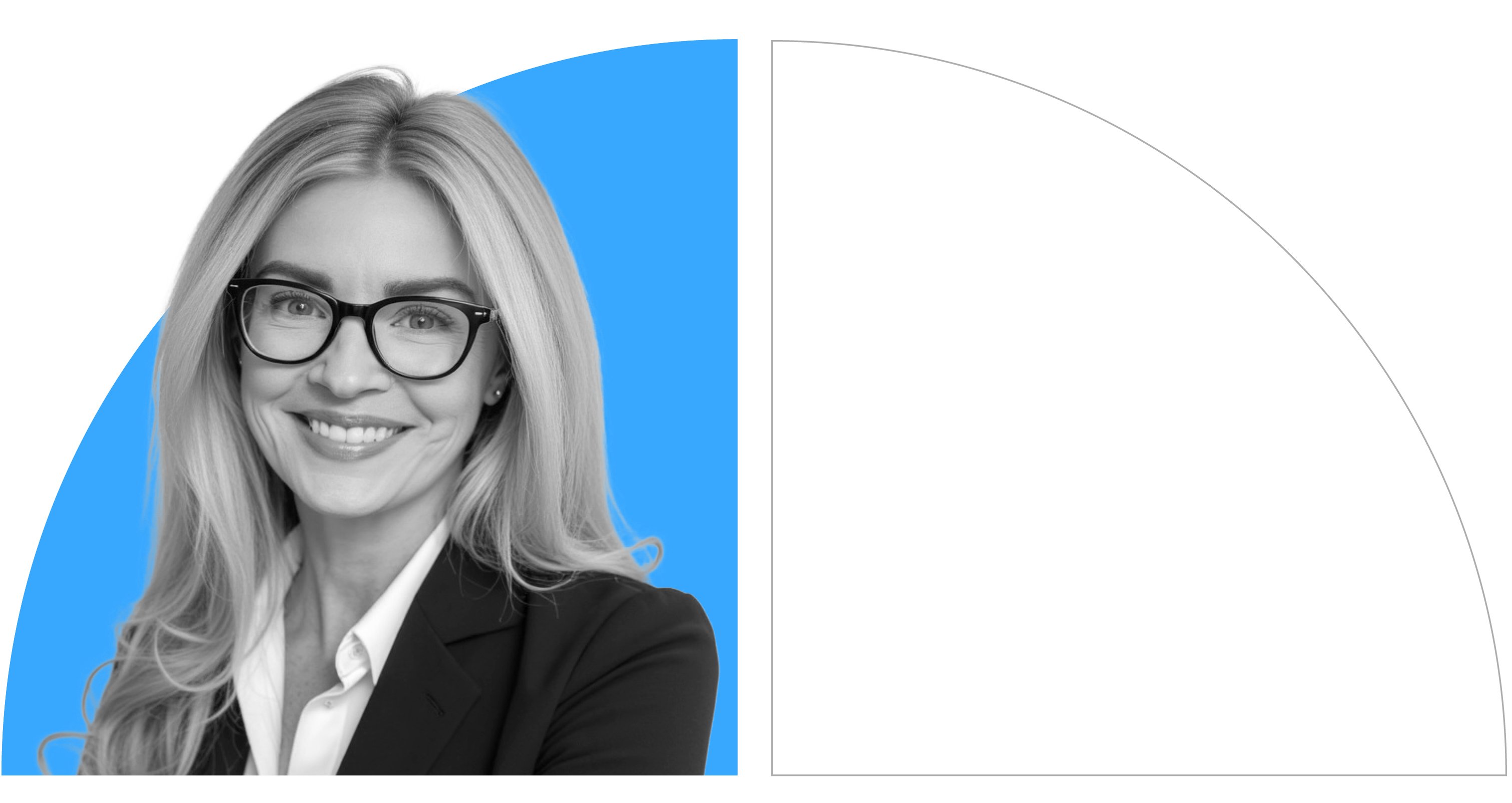
While paying taxes is inevitable, overpaying is optional. We help investors understand all of their opportunities for optimizing after-tax outcomes.
Holly Swan, Head of Wealth Solutions, Global Client Strategy
Spotlight on tax-efficient funds
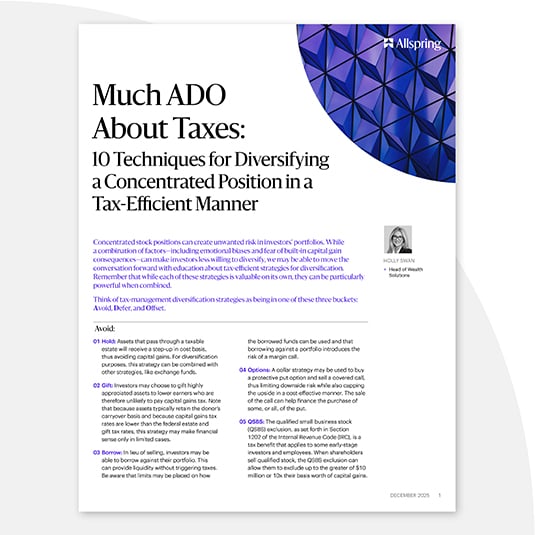
Much Ado About Taxes
Educating clients on the many options for tax-efficient diversification can be a powerful step in gaining comfort with moving away from a concentrated position that may be adding unnecessary risk to portfolios.
Explore more insights on tax and estate planning
Compensation Concepts
Practical guidance and how-to frameworks for applying tax-smart strategies to employee compensation.
Income Insights
Timely perspectives on generating more tax-efficient income and managing tax rules in today’s evolving landscape.
Swan Songs
Commentaries on tax policy, estate planning trends, and practical guidance for navigating change, written by Holly Swan.

Video: Tax talk with Forbes
Tax talk with Forbes
Holly Swan, head of Wealth Solutions at Allspring, spoke in an interview with Moira Forbes about the 2026 tax rule changes, exploring key topics that advisors and investors are focusing on, including strategies to help optimize after-tax outcomes.
Transcript
Moira Forbes: Holly, we're heading into 2026 where we're seeing a lot of change at once. We're seeing tax rules shifting, rates moving, and retirement planning evolving. And with this brings a lot of questions around the ways that people plan, the assumptions that they had before, and really understanding what's the new framework that they need to think around some of these changes. And I want to start on the tax side because this is where we've been seeing a lot of questions on new sets of rules, particularly with charitable giving, the AMT (alternative minimum tax), and itemized deductions. From a high level, can you walk us through these changes and how it impacts the frameworks that individuals and families need to be thinking about from a planning perspective?
Holly Swan: Absolutely. We're seeing big changes coming for charitable giving and a lot of taxpayers don't understand how they'll be impacted. So, two big shifts: For non-itemizers, they will actually see some benefits. Non-itemizers haven't been able to deduct their charitable giving. And going forward, under the One Big Beautiful Bill (OBBB), they will be able to deduct, for single filers, up to $1,000 a year in addition to their standard deduction for gifts of cash directly to charities—$2,000 for married filing jointly. So, a little extra benefit there. But for itemized filers, they are now going to get a little bit of a haircut on their charitable deduction. Their charitable deduction is going to be reduced by 0.5% of what the new law calls their contribution base, which is generally their AGI (adjusted gross income). And then all of their itemized deductions, if they're in the 37% bracket, are also going to be reduced a bit because they're going to be capped at 35 cents on the dollar. So, charitable contributions and itemized deductions in general will be worth less for those taxpayers. Now one exception for charitable contributions is QCDs (qualified charitable distributions) for taxpayers 70 and a half and older who can make those charitable contributions this year up to $111,000 directly from their IRAs. That is a workaround for charitable contributions for those filers who don't want to get impacted by these changes.
Moira: How should people be thinking about it from a timing perspective? I know so many people wait until December to do their type of giving with these new things in place and this new framework. Does that impact not just how people give but when within the calendar year?
Holly: Absolutely. So, if you're waiting until the end of the year, you're most likely going to be giving with cash. You really want to be giving more efficiently with things like appreciated securities to get more bang for your tax dollar. And to do that and to do that effectively, you should be planning earlier in the year.
Moira: Holly, what misunderstandings do you see the most often around AMT and how can investors inadvertently avoid triggering preference items as the law expires or other things that they may not fully appreciate at this moment in time?
Holly: So, the biggest misunderstanding about the AMT is that it's something we don't have to worry about anymore. Prior to the Tax Cuts and Jobs Act (TCJA), about 5 million Americans were subject to the AMT. Post-TCJA, only about 200,000 Americans were subject to the AMT. But the rules are changing now in 2026 because of the One Big Beautiful Bill and we are going to see more Americans subject to it and we need to recognize that and pay attention. So, here's how the rules are changing. The exemption phase-out threshold is going to decrease to 2018 levels. So, that's $500,000 for single filers, $1,000,000 for married filing jointly. But perhaps more significantly, once you cross over that threshold, it's going to phase out at twice the rate that it had been phasing out at under the Tax Cuts and Jobs Act. So, we really need to look at those controllable AMT preference items. And the two big controllables are incentive stock options, which were admittedly far more prevalent in 2017 and really now, we only see them in the biotech space commonly. But as a reminder, the spread on those ISOs (incentive stock options) is an AMT preference item. The place where I worry people are missing them is on private activity bonds. Private activity bonds as a reminder are those quasi-public private bonds that are tax-free that we think of as being like munis. They pay out at a slightly higher rate, but if you trigger AMT, they become taxable. So, since the enactment of the TCJA, we've really thought of them as being like munis. And going forward, under OBBB, we need to reframe, go back to our portfolios, and look for those private activity bonds that could trigger AMT or could become taxable going forward and having a conversation with our financial advisors and with our CPAs about our potential AMT exposure. And our private activity bond exposure is going to be really important.
Moira: So, it seems like there are many shifts that can trigger things that we didn't necessarily have to worry about or had a completely different mindset in terms of how we thought about them within the portfolio. Are there other areas of people's wealth or investing that may have maybe facing significant impact that they may not appreciate at this moment in time?
Holly: Large capital gain events could trigger it. That can be a blessing and a curse, right? It could trigger it, but then it could bring your tax rate on other income down. So, it really is a matter of having that awareness and looping in your tax advisor and also making sure that your tax advisor is being proactive as opposed to being reactive to this. And we know that so many people have tax advisors who are return preparers right now as opposed to proactive advice givers. And so, reaching out and making it clear that what you are looking for is that proactive advice so that they understand your situation going forward and they know that you are looking for and willing to pay for that proactive advice, given the changes that we're looking at.
Moria: You mentioned and walked through some of the changes with the AMT and other dynamics of these changes coming in are. Is there one other area—you mentioned compensation before and the like—that you think has a sense of urgency that potentially people don't appreciate?
Holly: Absolutely. So, executive comps. At the beginning of the year is executive comp season. It's when we see a lot of people getting their bonuses. It's when we see restricted stock units being granted. 83(b) elections are one area that I think isn't talked about enough. If you are receiving restricted stock and you feel that the value of your company is going to increase significantly, restricted stock is typically taxed at vest, not at grant. If you make an 83(b) election, you are electing to have it taxed at the time of grant, not the time of vest. You have only 30 days from the date of grant to make that election. So, if you want to do that, it's absolutely critical. Luckily, you can now make that election online. So, that is a deadline that you absolutely do not want to miss. Now if you choose not to make that election and you have stock that is vesting this year, I also think it's important for people to understand once that stock vests, there is no ongoing tax benefit to continuing to own it. It is taxed as ordinary income to you on the day it vests. So, if your employer were to give you that compensation as cash, and if you would not choose to take that cash and use it to purchase your employer's stock on that day, there is no reason for you to continue to hold that stock. You should feel comfortable diversifying on that day. Also, for people who have incentive stock options, a lot of those people will choose to exercise ISOs early in the year. And as a reminder, the spread on ISOs is an AMT preference item. And because of changes to the AMT, it's very important that they loop their tax prepare in on those decisions because if they are going to trigger AMT that year, they will have the option to sell those shares before the end of the year, if that spread is what's triggering AMT to potentially opt out of AMT tax.
Moira: Are there any sort of levers or advantages that you think people tend to underestimate when it comes to their planning and the types of things that you mentioned, either as it related to things are changing, but also as it relates to how people plan more generally?
Holly: I think the thing that shocks me the most is the number of taxpayers who don't understand the levers that they can pull to manage their taxes and that just believe that taxes are the byproduct of earning money and don't see the various ways they can manage them—be it tax-loss harvesting, exchange funds, charitable giving, the many, many forms of charitable giving. There are so many different ways that you can plan to minimize or mitigate taxes. And so many people aren't educating themselves on the full spectrum of those. They just feel like, oh, I earned this and I filled out the form and this is what is due. And if they just did a little more education, there are so many options out there.
Moira: Yeah. And it takes making the time and the intention to really educate or at least work with people that can do that heavy lifting for you.
Holly: And it's not everyone's favorite topic, right? Not everyone wants to do that education.
Moira: Yes. Yeah. It's like eating vegetables. We know it's something we need to do. We just don't necessarily always make that type of commitment. I want to shift gears into some of the longer-term wealth planning because even if individuals and families can get the near-term decisions right—they follow many of advice and things that you shared—some of the biggest long-term drivers of security have also seen huge shifts in terms of what we're seeing on the horizon. One of those areas, obviously, is workplace retirement plans. And right now, both the rules and the dynamics of the workplace are changing fundamentally. Can you help us understand that landscape—the retirement landscape—and how that plays out when it comes to our 401ks?
Holly: Sure. So, here is a big change that's coming in 2026 that I feel like a lot of people aren't aware of. For those individuals who are 50 and up who can make catch-up contributions, there's a major change coming this year to those taxpayers who are considered high earners. High earners defined as those earning $150,000 and up based on their earnings from the prior year, their catch-up contributions this year and going forward have to be made through Roth contributions. So, previously they could do pre-tax contributions. Now and going forward, they must be Roth contributions. So, it's going be more expensive for them to make those catch-up contributions. But also, if their employer plan does not have a Roth option, they will not have the ability to make a catch-up contribution. Now, most employer plans are very aware of this and are adding Roth options if they did not already have them. Some small employers might not have gotten around to this, but for many of them, they might not be aware of the impact this is going have to their bottom line of the extra tax cost of making these Roth contributions.
Moira: So, for those individuals who are now facing this new criteria and the fact that it's going to get much more expensive to save, what should they be thinking about differently right now?
Holly: So, I had to think about that for myself and at the end of the day, I think the math is, if you're going be saving that regardless, you're going to decide am I saving that in my 401k or am I saving it outside of my 401k? Either way, you are saving that with after-tax dollars. Why not go ahead and save it inside of a Roth where you are never going to be taxed on it again? Is it more painful than funding it with pre-tax dollars? It is, but your future self will appreciate it. Now, would I have preferred to fund it in the traditional way and then convert it at a later date when my tax rate was potentially lower? Yes. But that is no longer an option. But in the long term, your future self will be happy that you did this.
Moira: It's still the right thing to do.
Holly: It's still the right thing to do.
Moria: When you think about long-term advantages. We're also in a landscape today where there's multiple generations working within the workforce, different expectations, and the like. That also means retirement plans and how companies approach them, given that multi-generational workforce needs to evolve and remain relevant. What does this mean when you're looking at and working with clients who are younger and now thinking finally about how to save for retirement or how to best take advantage of what their employers have to offer?
Holly: Well, I do think that younger people are thinking much more proactively about retirement. They realize that pensions aren't going to be there for them in many cases. They are realizing that those one-size-fits-all target date funds aren't necessarily the right fit for them or they might be the right fit early on, but they're not the right fit later on in their lifetimes. I think they're very intrigued by the idea of being able to have alternative investments in their 401ks And we got that executive order a few months ago and we're waiting for guidance from Treasury, which should be coming out in February. And I think it'll be very interesting to see how the younger generation potentially embraces alts in their 401Ks. I think generations closer to retirement could be a little more reluctant to potentially take on that extra risk, but younger generations have the timeline to embrace that and they seem to really have the interest in that. And so, that will be interesting from a plan sponsor perspective and it'll be very interesting for them as plan participants. So, I think it's very TBD on that once we get guidance from Treasury.
Moira: As we look at what you mentioned—sort of the different mindsets and timelines that are within the workforce today—when you think about closing gaps when it comes to retirement planning and the like—whether it be for women, for example, who are, navigating career disruptions or longevity risk, when we see wage disparities and the like—are there any other ways that we should be thinking about or you think groups should be thinking about better leveraging the opportunities that have evolved when it comes to retirement planning?
Holly: Well, I do think we are now seeing a lot of people returning to the workforce. We're seeing people retire and we're seeing them return, partially for financial reasons, but are also partially because there are health and mental benefits to returning and to staying active and to staying mentally engaged. Obviously, we don't want to see people having to return for financial reasons, but to the extent that people are returning or developing new careers for their own emotional, mental, or physical benefit, I think that is great. But it really comes down to early education and being proactive about planning. There are obviously some new planning tools. Trump accounts are one tool that is brand new and designed to help. They are a relatively—I think they're not going make a huge difference the way they're structured now, but any change helps. But I really think it's about early education and early education coming on multiple fronts, right? It's coming from parents, it's coming from schools, and it's coming from employers. And I think we all need to be doing better jobs there. I think in many cases, parents think the schools are doing the early education. Schools think the parents are doing it. We all hope the employers are doing it. That may or may not be happening. And then, I think there's this open question of what social security is going to look like for people retiring 20 years from now and for children our kids' age. And that is a major unknown and I think the only certainty there is that it's probably not going look exactly the way it looks now. And right now, it makes up a huge percentage of the overall income for the average retiree. And reframing the mindset that there is certainty, that that is what we can rely on for the majority of our income, I think is going to be important.
Moira: Yeah, and you bring up a great point in terms of the fact that there needs to be that education and at times there's no shortage of information. It's just how do you get people to really engage and invest in their future self. And part of the things that we hear a lot about is that they can be overwhelming, that we're living in a world of such uncertainty and volatility, and markets moving so quickly. But there are principles that define future-ready wealth strategy. There are the fundamentals that rise well beyond what we're seeing day to day in the markets. When you talk to clients and wealth advisors, how do you think people should be thinking about building that long-term strategy and the ability to sometimes filter out that noise?
Holly: So, I do think that wealth advisors are doing a much better job these days of creating really comprehensive long-term plans for their clients. And not just showing them what will be available for them, but talking to them about spending order strategies and tax efficiency going into retirement. It's where people aren't working with advisors. The question is how do those individuals first recognize the importance of that plan and develop that plan for themselves? How do they understand the importance of asset location because tax efficiency within asset location is going to be a huge driver of how well they do. And then, that spending strategy in retirement, they might not be getting that. And so, how do we provide them with that information that they're not getting from an advisor? I don't have the answer for you there, but there does need to be a solve for that. Tax-efficient assets are better in your taxable account, less tax efficient in your tax-deferred and tax-exempt accounts. But we see investors who are doing it all on their own, not necessarily understanding that. Younger investors, though, are better at the self-education piece of it. I think people who are very interested in the markets are very focused on their asset allocation. They aren't necessarily as focused on their asset location and their asset location is going to be such a huge driver of their retirement success. So, if you are someone who is very actively trading and you are generating a lot of short-term capital gains, which are going to be taxed at ordinary income rates, so very tax inefficient, I would rather see that being done in your tax-deferred or your tax-exempt accounts. It's going to cost you a lot less because those accounts are not regularly taxed to do it over there. Whereas, I'd rather see your exchange-traded funds that aren't regularly spitting out taxable income to you in your taxable accounts. So, tax-inefficient assets in your tax-preferred accounts, so tax-deferred and tax-exempt. Tax-efficient assets, so tax-free investments, qualified dividends, long-term capital gains where you can time those capital gains, where you can harvest losses and offset those capital gains in your taxable accounts. And then, as you get closer to retirement or you retire, then it really comes down to spending strategy and in what order are you drawing from your taxable, your tax-deferred and your tax-exempt accounts. And it's really stunning how many individuals who aren't working with advisors don't have a strategy there and are maybe drawing equally from them. Or some of them say, oh, I'm just drawing from the largest one first. But those tax implications have real long-term implications there. And so, sitting down and coming up with a really mindful approach there can have dramatic long-term effects on your level of success.
Moria: As we wrap up, Holly, when people hear all these types of changes and the dynamics, it's really complicated. It can seem overwhelming. Things are shifting. That's also against a backdrop where some people may not think that they have enough wealth to work with an advisor or they may not even understand what an advisor really is or how to approach those conversations. For those people who aren't working with advisors who may not even appreciate to the level of expertise that really can help them long term financially, what do you say to those people?
Holly: First, there are advisors available to all levels of wealth. But if you are someone who prefers the self-directed route, there are also a lot of ways that you can educate yourself. So, while I personally have chosen to work with an advisor, even though I have a background in tax and could do all of this myself. I've chosen how to prioritize my time. You can take the time and do the education yourself. You can find modeling tools out there or certain companies that provide resources to investors who choose to be self-directed will provide modeling tools. So, it's really about what each investor prefers. But don't think that your level of wealth drives whether or not you can work with an advisor. It might drive which advisor you can work with, but there is an advisor out there for everyone.
Moira: That's great advice, Holly. Thank you so much. Really helpful insights and a lot of, I think, surprises for people in terms of what they need to be thinking about in this year and beyond. So, thank you.
Holly: Thank you.
Meet Holly Swan, Allspring’s expert on tax planning
Holly Swan is the head of Wealth Solutions for the Global Client Strategy team at Allspring and is an expert on tax-efficient investments and estate planning concepts. As a resource to financial advisors, Holly provides guidance on income and estate planning, consulting with advisors to navigate complex tax laws and translate them into actionable strategies for clients. Learn more about Holly


For more complete information about Allspring Funds, click here for a current prospectus and, if available, a summary prospectus. Consider the investment objectives, risks, charges, and expenses of the investment carefully before investing. Please read it carefully before investing.
All investing involves risk, including the possible loss of principal. Bond values fluctuate in response to the financial condition of individual issuers, general market and economic conditions, and changes in interest rates. Changes in market conditions and government policies may lead to periods of heightened volatility in the bond market and reduced liquidity for certain bonds held by the fund. In general, when interest rates rise, bond values fall and investors may lose principal value. Interest rate changes and their impact on the fund and its share price can be sudden and unpredictable. Municipal securities risk includes the ability of the issuer to repay the obligation, the possibility of future tax and legislative changes and other factors, that may adversely impact the liquidity and value of the municipal securities in which the fund invests. A portion of the fund’s income may be subject to federal, state, and/or local income taxes or the alternative minimum tax. Any capital gains distributions may be taxable. Consult the fund’s prospectus for additional information on these and other risks.
Allspring Global Investments does not provide accounting, legal, or tax advice or investment recommendations. Any tax or legal information on this page is merely a summary of our understanding and interpretations of some of the current income tax regulations and is not exhaustive. Investors should consult their tax advisor or legal counsel for advice and information concerning their particular situation.