
PM Spotlight: From Gold Mines to Global Markets
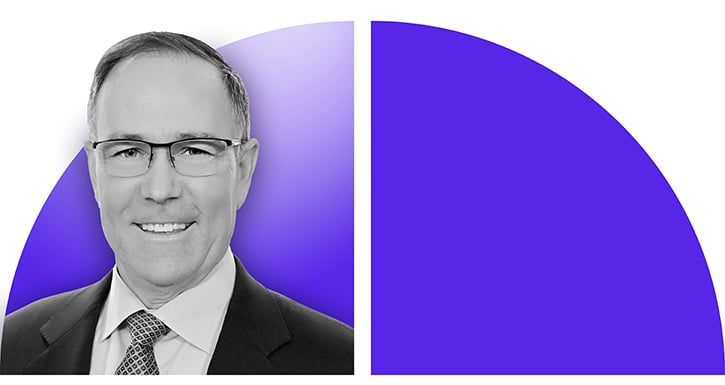
Michael Bradshaw, senior portfolio manager and head of Precious Metals for Allspring, has deep experience in precious metals—starting in the gold mines of northern Ontario. That adds a real advantage, especially as complexity or risk rises.
Key takeaways
- Central banks have been a big driver of the gold price. Their annual global demand for gold has doubled in recent years and may continue in the foreseeable future.
- Gold historically offered diversification potential. More recently, investors also use gold exposure to hedge risk of inflation, currency volatility, or geopolitical events.
- Gold exposure through equities also offers the benefit of operating and financial leverage, which can provide positive returns even when the price of gold isn’t rising.
With deep experience in gold mining, Michael Bradshaw has spent his entire career around precious metals. As portfolio manager behind Allspring’s precious metals strategy, he mines global equity markets for gold companies with favorable pricing and production models, aiming to help investors diversify their portfolio, reduce risk, and add returns.
Q: Precious metals are such a unique sector. How did you end up managing a gold fund?
A: A lot of gold fund managers start out in asset management and eventually move to gold, but I started in gold. I grew up in a mining town in northern Ontario, and my father was a mining engineer. I had summer jobs in high school working in mineral exploration, and that’s also when I started investing in mining companies. In college, while I was studying geology, I spent summers as a miner's helper, working at all different levels of mining, including drilling, underground development, and geology. That was a great way to learn about the complexities of mining.
The switch to investing came after graduation, while I was working at the Ontario Geological Survey and heard about opportunities to do equity research on mining companies. So, after completing my MBA at the University of Toronto, I started out on the commodity products trading desk of a national bank, working with precious metals traders. That led to an opportunity in equity research covering gold stocks and eventually to managing a precious metals fund. I guess it’s no surprise, given my background and my interests, that this is where I've ended up. And, I think it gives me a real advantage, especially when complexity or risk rises.
 Mining is different from other commodities because each mining asset is unique in terms of its grade cost structure, reserve life, and location.
Q: How does your approach to precious metals differ from that of traditional asset classes?
A: Precious metals is a sector strategy, so it’s intended to have long exposure—good times and bad. So, while I'm cognizant of how the price of gold may move, I spend the vast majority of my time on stock selection. From a macro perspective, I see value in safe jurisdictions with stable politics and rule of law, favorable taxation, and sensible environmental laws—think developed countries like Australia, Canada, the U.S., and Mexico.
Management is also very important—including a track record of building and operating mines, commissioning new operations, and executing on development plans. Mining is different from other commodities because each mining asset is unique in terms of its grade cost structure, reserve life, and location. It’s critical to look for better-than-average costs and access to cheap power. Canada, for example, is often attractive because of cheap hydroelectric power and the stable political and legal framework.
The sector includes exploration- and development-stage companies, but historically we’ve allocated more to producers. And because mining assets are finite and reserves are difficult to replace, mid-size companies with multiple low-cost mines typically show potential for operational diversification and the ability to grow production. That helps mitigate the risk of price volatility—when the gold price falls and margins are pressured, companies with the lowest costs and rising production tend to fare best.
Balance sheets are also important. So think about those companies that can fund themselves and aren’t beholden to the capital markets or that might have a senior mining partner with the technical expertise to do their own due diligence and have validated assets for the market.
Q: How does your approach affect portfolio concentration and turnover?
A: A direct result of our approach is that we believe in a concentrated portfolio strategy, with consistently low turnover. That could mean owning a company for 3, 5, or 10 years, as long as it continues to execute on the plan, replace assets, and grow production and profits.
I should note we’ve been talking about gold, but most precious metals strategies also have some exposure to silver companies. They’re mostly exposed to gold, primarily because there are many more established gold companies. The other key difference is that gold is the only true precious metal—it’s the only commodity that central banks hold as part of their foreign exchange reserves.
Acquiring gold exposure through equities also offers investors the benefit of operating and financial leverage that comes with owning shares of public companies.
Q: Gold has been on a wild ride, with a 64% price increase in 2025 alone. How have central bank reserves affected the price of gold, and what will you be looking for going forward?
A: Central banks have become a big driver of the gold price. Historically, central bank demand for gold averaged around 12% of global demand annually. That was relatively static for about a decade until geopolitical risk began to rise in 2022 and central banks started reducing their U.S. foreign exchange reserves and increasing their physical holdings in gold. As a result, annual gold demand from central banks doubled to around 24% by 2024. We think that will continue in the foreseeable future.
Q: Have investors changed the way they use gold in their portfolios—as a hedge against inflation and market risks or as an alternative source of return?
A: In the past, most investors held gold assets to diversify their portfolio, because gold has had a low to negative correlation to most other asset classes. For a typical 60/40 stock/bond portfolio, for example, moving 5% into gold historically would have reduced volatility of the portfolio and increased absolute returns over time. That 5% gold exposure would be even higher for riskier portfolios.
But, diversification is no longer the only reason for adding gold exposure. Portfolio risk has increased for a lot of investors, and so has market volatility, macroeconomic risk, and geopolitical risk. As a result, many investors are looking for additional ways to hedge and offset the effects of unforeseen events. They may still have exposure to gold to improve diversification but also for an inflation hedge or to hedge against the dollar or for any number of geopolitical events that are hard to predict.
Acquiring gold exposure through equities also offers investors the benefit of operating and financial leverage that comes with owning shares of public companies. So, a gold strategy can provide positive returns even if the price of gold hasn’t gone up. You can look at it as a kind of all-weather type of investment—even in tough times, gold can shine when you own high-quality producers.
CFA® and Chartered Financial Analyst® are trademarks owned by CFA Institute.
This material is provided for informational purposes only and is intended for retail public distribution in the United States. Use outside the United States is for professional/qualified investors only.
ALL-02022026-qsxshzpl
Related insights

As passive investing dominates market flows, John Campbell, head of Systematic Core Equity at Allspring Global Investments, examines the risks of peak passive concentration and the case for broader diversification.

Emerging markets (EM) have undergone a structural shift, with stronger external balances, rising credit quality, and broadening earnings growth reshaping their risk profile and investment appeal in 2026.

Listen to John Campbell from our Systematic Core Equity team discuss how multiple perspectives reveal the full picture of risk.
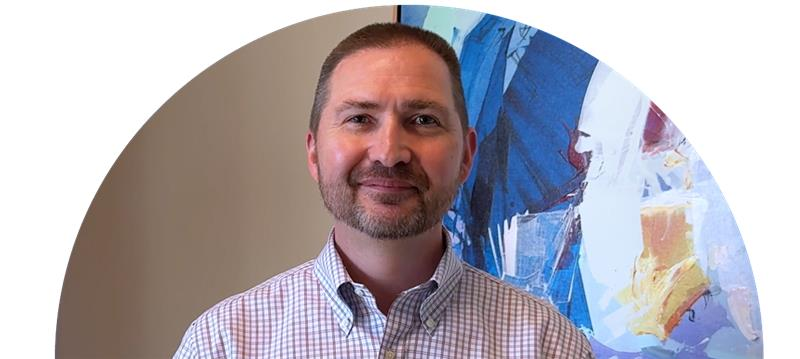
John Campbell reviews 2025's market performance, highlights elevated factor risks, and emphasizes a multidimensional approach to risk management and diversification for 2026.
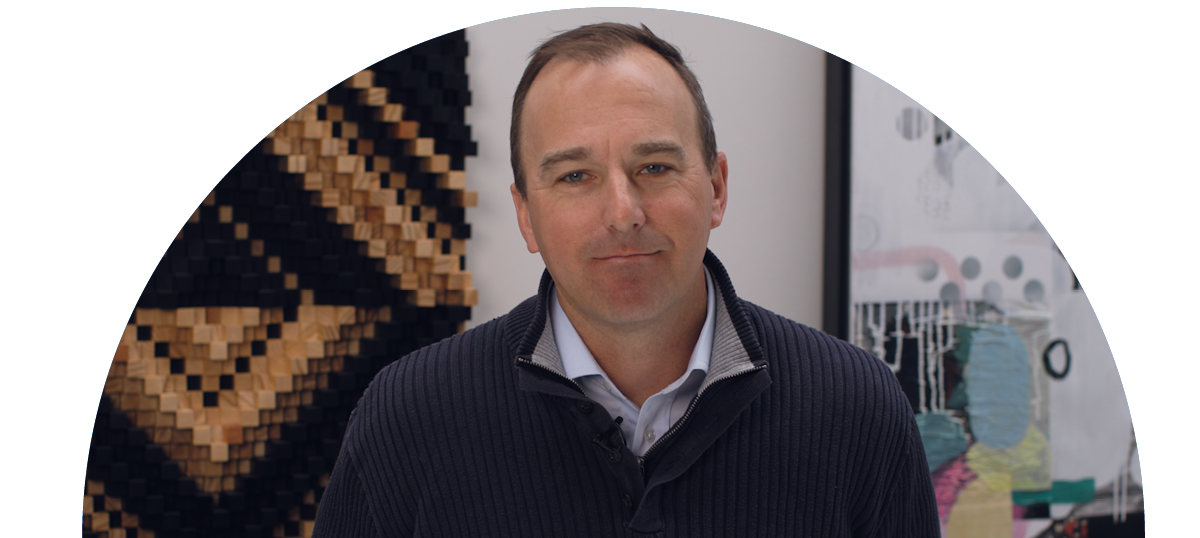
Bryant VanCronkhite highlights the evolving AI landscape, a shift in small-cap market dynamics, and the potential for a massive multi-industry upgrade cycle driving economic and market growth in 2026.
Alison Shimada and Derrick Irwin discuss why now presents a pivotal time for investors looking at the asset class. Discover the shifting global dynamics and themes shaping the future of emerging markets (EMs) from two different perspectives.

The global landscape is shifting, and structural tailwinds are lifting emerging market (EM) equities. Investors capitalizing on these trends could benefit from transformative growth opportunities for years to come.
Video
The Dividend DivideAllspring experts explore the evolving role of dividends, debating their value as a source of stability, a tool for discipline, and their impact on flexibility in today's market.

Hyperscalers are investing in artificial intelligence (AI) and infrastructure to drive innovation while navigating challenges—balancing short-term demands with long-term growth opportunities.
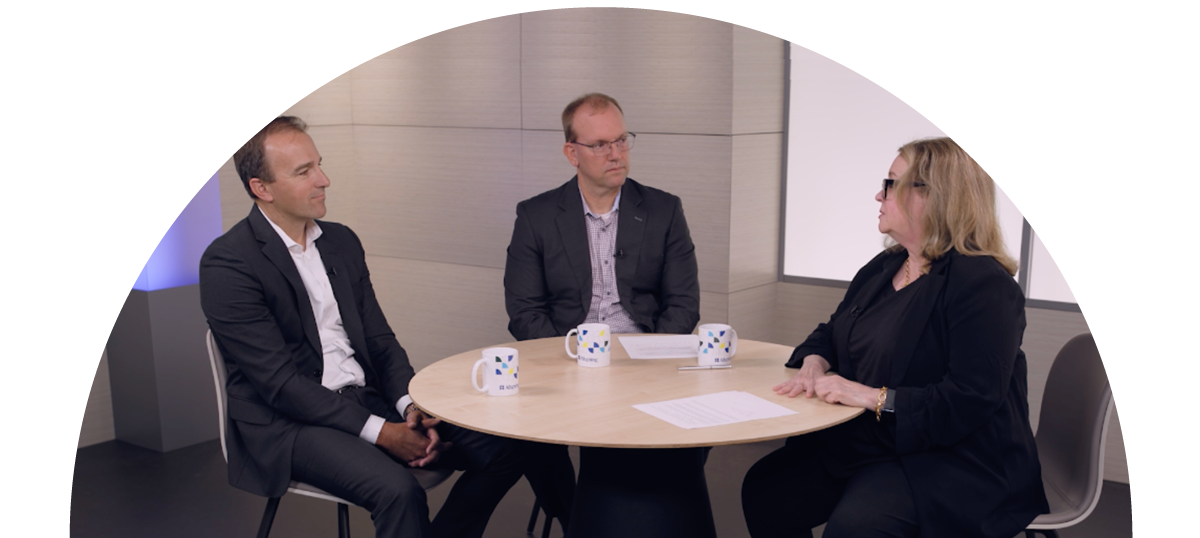
Allspring equity portfolio managers Bryant VanCronkhite, Alison Shimada, and Mike Smith sit down to explore current market conditions, economic uncertainties, and potential investment strategies for 2025. They break down the unique challenges and opportunities in current equity markets and the importance of active management and resilience during times of volatility.